
Future Fibre Technologies (FFT) has welcomed the announcement by Australia, the United Kingdom and the United States of a new AUKUS Pillar Two initiative focused on advanced underwater autonomous systems and the protection of critical subsea infrastructure.
The announcement, made during the 2026 Shangri-La Dialogue in Singapore, reflects growing recognition by governments worldwide that undersea cables, pipelines, energy assets and maritime infrastructure have become increasingly important strategic assets requiring enhanced protection and monitoring.
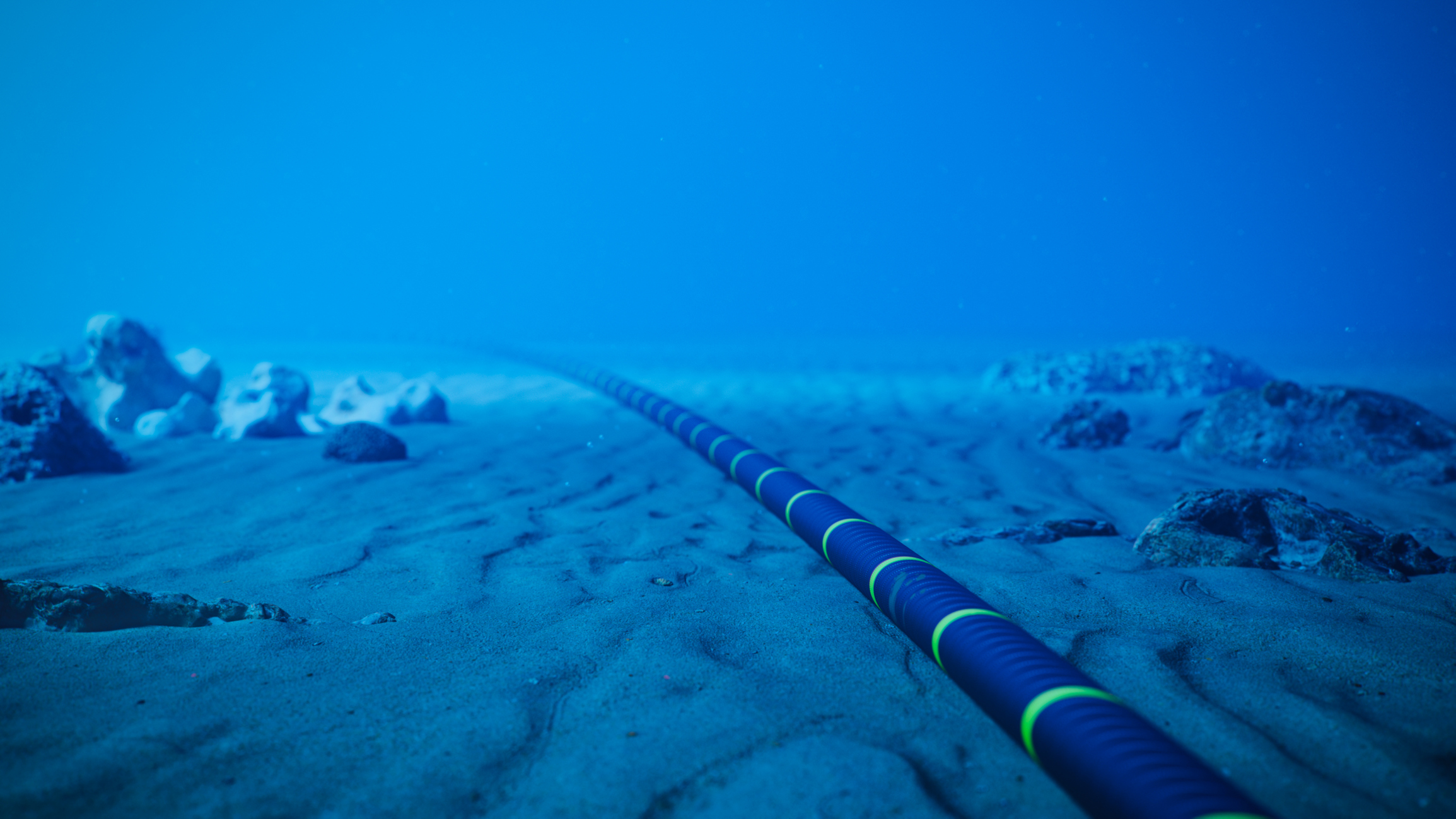
Recent incidents involving damage to subsea telecommunications cables and critical infrastructure in the Baltic Sea, Taiwan Strait and other regions have highlighted the growing vulnerability of infrastructure that underpins global communications, trade and energy security.

David Cronin, Chairman of FFT, said: “The security of critical infrastructure is becoming one of the defining national security challenges of our time. The increasing focus by governments on subsea infrastructure, maritime domain awareness and the protection of strategic assets reflects the reality that modern economies depend upon infrastructure that is often remote, difficult to monitor and increasingly exposed to both conventional and grey zone threats."
“The AUKUS announcement reinforces the importance of persistent sensing, real-time situational awareness and rapid threat detection capabilities. These are areas where FFT has been investing and delivering solutions for critical infrastructure operators around the world for many years.”
FFT develops advanced fibre optic sensing technologies used to monitor and protect critical infrastructure across defence, border security, energy, transportation and communications sectors.
FFT’s distributed fibre sensing technologies provide continuous monitoring capabilities across extensive infrastructure corridors and perimeter environments, delivering real-time detection and situational awareness for operators of critical assets.
FFT's technologies are deployed globally across applications including national borders, airports, energy infrastructure, communications networks and other high-value strategic facilities. The increasing convergence of physical security, infrastructure resilience, autonomous systems and advanced sensing technologies is expected to drive significant investment across both government and commercial sectors over the coming decade.
Cronin added: “As governments and infrastructure operators seek to improve resilience and attribution capabilities, we believe advanced sensing technologies will play an increasingly important role in detecting, assessing and responding to threats against critical infrastructure. FFT supports initiatives that strengthen international cooperation and improve the protection of the assets that underpin economic prosperity and national security.”
To learn more about how FFT’s DAS-based sensing technology helps monitor and protect critical subsea cable infrastructure, click here.