
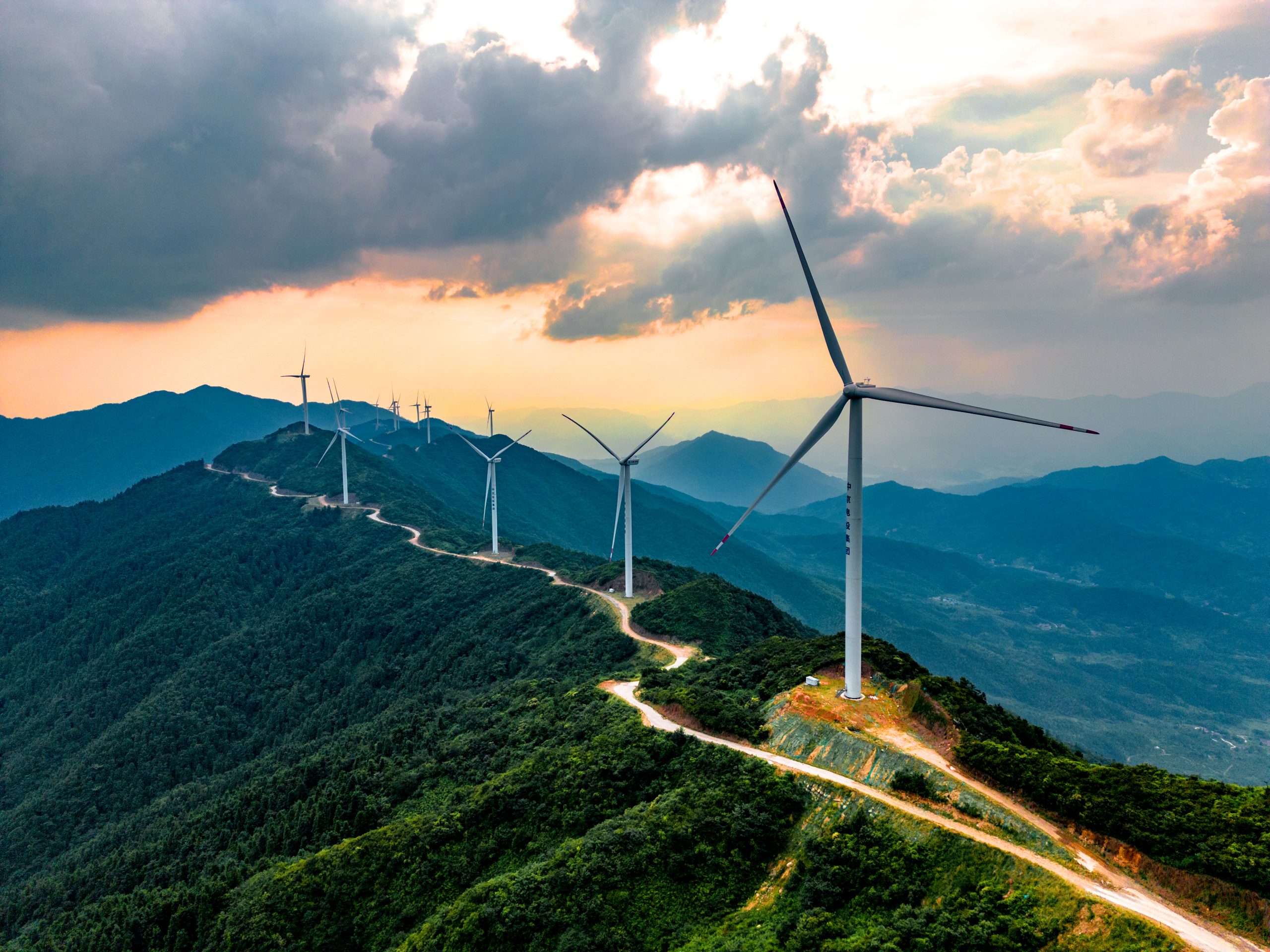
2025 was the biggest year on record for renewable construction. According to energy think tank Ember, the world added 647 GW of solar and 167 GW of wind capacity last year, which took global wind and solar capacity past four terawatts for the first time. The milestones have kept coming in 2026: in May, solar generated more electricity in the United States than coal for the first time, at 12.8% of the national mix against coal's 12.2%.
The sector press has started asking the question that follows those numbers. In June, Energy Global ran "Securing the solar surge", and in late July pv magazine published "As solar breaks records, its security must catch up". Both pieces reach the same conclusion from different directions: the security conversation is running years behind the construction schedule.
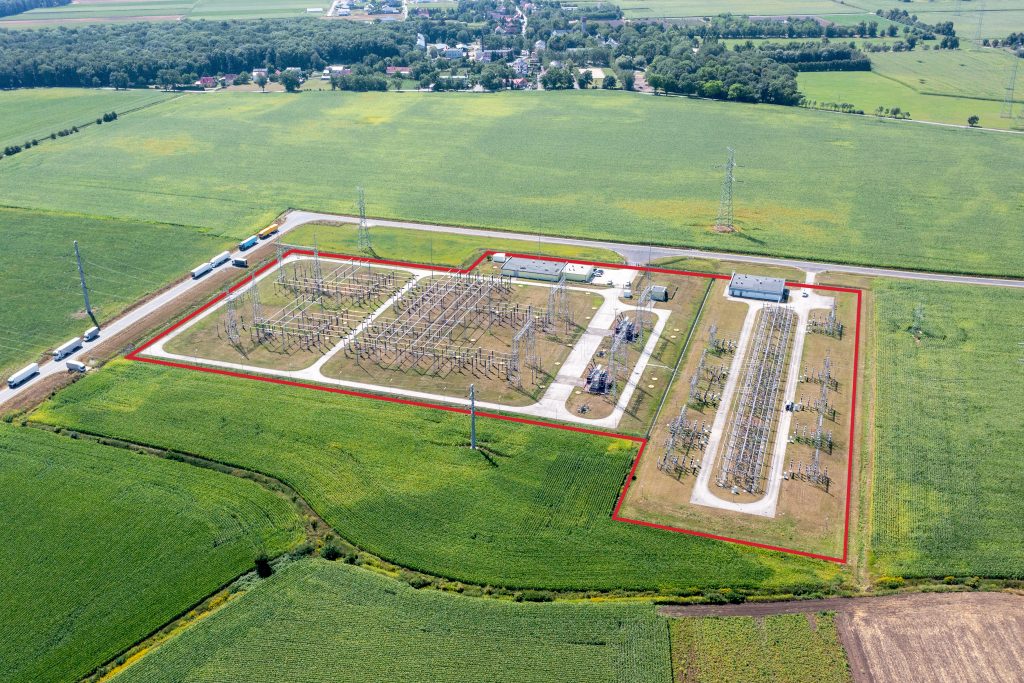
For the engineers and architects who specify perimeter systems, that gap has a physical shape. Every new utility-scale solar park or onshore wind farm puts more fence line on the map, usually far from town, lightly staffed once it is commissioned, and full of equipment that is worth a great deal to the operator and a surprising amount to a thief.
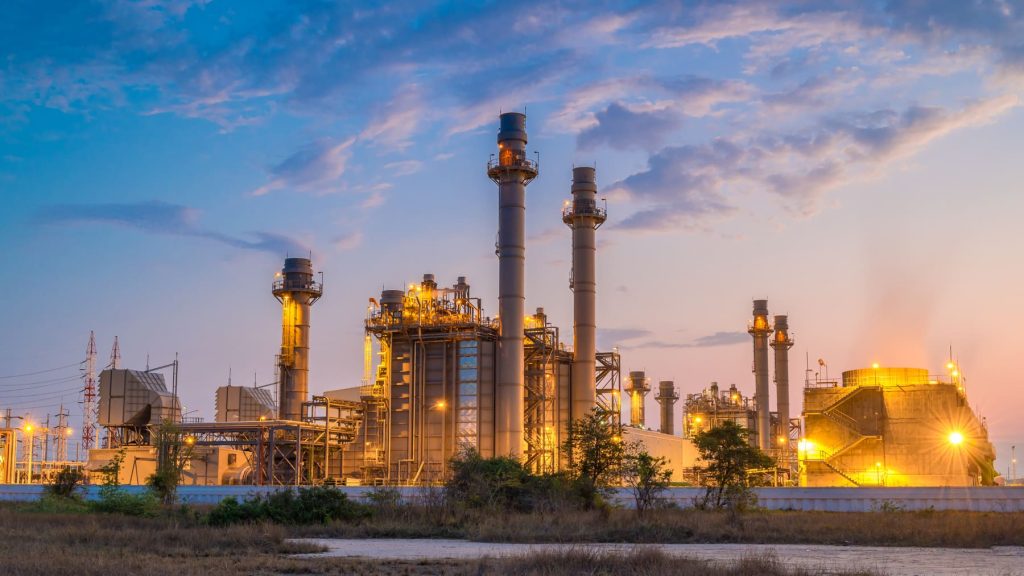 Take one well-documented example. Elera Renováveis' Complexo Solar Alex in Ceará, north-east Brazil, generates around 360 MW at peak across more than 2,000 acres, inside a perimeter of roughly 13km. That is a single site, and plenty of projects now in development are larger.
Wind farms spread the problem out differently. Turbines are distributed across kilometres of farmland or ridgeline, joined by buried collector cables that run back to a substation, with access tracks that are rarely gated from end to end.
Both site types share a profile that security teams will recognise from pipelines and remote oil and gas assets:
The most detailed data comes from the UK, where crime intelligence firm DeterTech recorded 169 offences against solar, onshore wind and battery storage facilities in 2025, a 59% increase on the previous year. DeterTech describes "a systematic and strategic threat orchestrated by organised criminal groups", with offenders planning campaigns across clusters of nearby sites and arriving with a working knowledge of the asset layout.
Wind sites have moved onto the same target list. In May 2025, DeterTech warned UK operators after nine offences in a matter of weeks across eight English counties, in which offenders forced turbine doors, isolated the power and cut out the copper cabling, in some cases while the turbines were operating. Two months later, four turbines across two Aberdeenshire wind farms were forced open in a single week and copper worth tens of thousands of pounds was taken. In Alberta, police investigating copper theft from wind turbines warned that removing grounding cable could cause a surge capable of electrocuting anyone standing nearby, which turns a theft problem into a safety problem for staff and first responders.
The pattern is the same in the US. In May 2026, a man in North Carolina was charged after cutting through perimeter fencing at two solar farms and removing around 2,000 feet of copper wiring and dozens of connectors.
At the far end of the threat spectrum sits state-aligned interference. A 2023 joint investigation by Nordic public broadcasters reported a Russian programme to map North Sea wind farms and communication cables as potential sabotage targets, and January 2026's Hamburg Declaration, in which ten North Sea nations committed to 100 GW of joint offshore wind, names physical sabotage alongside cyber and hybrid attacks as threats the build-out has to plan for.
The cost of each incident extends well beyond the replacement value of the copper. Operators absorb lost generation while cabling is replaced, delays to energisation on sites still under construction, and insurance premiums that increasingly reflect a site's security posture.
PV magazine's piece makes a point every specifier will recognise: "Ten times the perimeter doesn't mean you need ten times the cameras." Security designs that work on a compact urban site tend to scale badly across tens of kilometres of open ground.
Camera-led designs need line of sight, power and communications at every pole, and every pole becomes something to maintain and something to vandalise. When Elera assessed options for Complexo Solar Alex, the team ruled out video analytics because of hardware and infrastructure costs, vandalism risk and ongoing maintenance. A fixed-camera design for that one site would have needed around 273 cameras.
Discrete powered sensors along a fence carry a similar burden, because each device adds a power point, a failure point and a maintenance visit, multiplied across kilometres of boundary in heat, dust and lightning. Renewable sites add a strong electromagnetic environment around inverters and high-voltage equipment, which electronic sensors in the field have to tolerate.
Then there is the noise. Wind, rain, grazing stock, wildlife and vehicle movement on access tracks all generate activity along a renewable perimeter. A system that alarms on all of it trains the monitoring team to ignore it, and that team is often covering several remote sites from a single control room.
For a utility-scale solar or wind site, a perimeter and monitoring specification should ask for:
 Fibre optic sensing answers the scale problem structurally, because the cable is the sensor. FFT's Aura Ai-X turns a fence line or a buried cable route into a continuous sensing system, with no power or electronics anywhere in the field. Deep learning classifies each event signature in real time, which keeps nuisance alarms close to zero in noisy outdoor environments.
On energy sites, Aura Ai-X pinpoints intrusions to within ±2 m on fenced perimeters of up to 80 km, and to within ±5 m on covert buried installations of up to 110 km. Alarms feed directly into existing video management and situational awareness platforms, so each detection can slew a camera to the exact location.
The same technology supports monitoring inside the site as well as protection at its edge. Fibre buried along collector cable trenches, access tracks or around inverter stations can flag digging, vehicle movement and pedestrian activity in restricted areas, which gives operators situational awareness across the whole footprint of a site, including the parts that copper thieves target first.
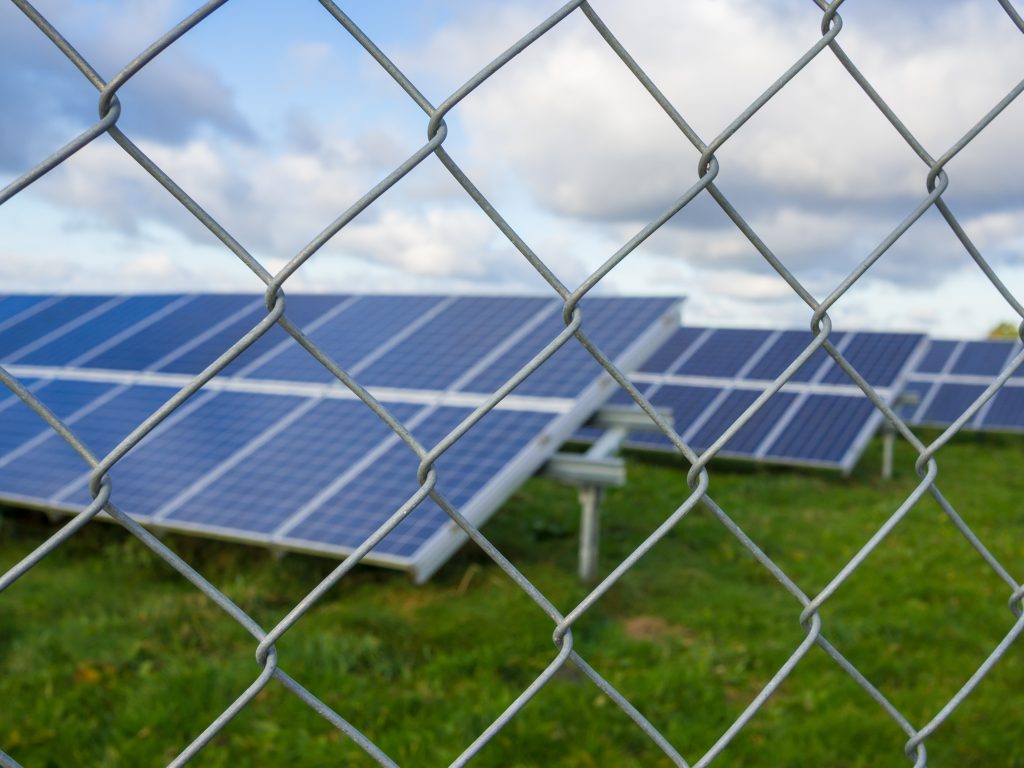 Complexo Solar Alex shows what this looks like in practice. Elera needed covert, cut-resilient detection across a 13 km perimeter at a remote site, with low nuisance alarms, low installation and maintenance costs, immunity to lightning and electromagnetic interference, and integration with its chosen PSIM and cameras.
Integrator Aeon Security installed FFT's Aura Ai-2, the predecessor to Aura Ai-X, as a covert buried system along the fence line. When the fibre detects someone approaching the perimeter, it passes the location to 16 georeferenced PTZ cameras, which frame the intruder automatically, while network horn speakers deliver a spoken warning without any operator involvement. Elera described it as "the first solar project in the world to integrate fiber optics detection and cameras with georeferencing capability."
The design also scales with the site. Future perimeter extensions need only additional sensor cable and licensing on the existing controller, which suits a sector where today's site is often the first phase of something larger.
The build-out will keep accelerating, and the capacity figures will keep breaking records. Those figures measure how much generation has been built; the security specification determines how much of it stays online, on schedule and insurable. For specifiers and asset owners, the most effective point to make that decision is at the design stage, before the first cable drum arrives on site.
Download our energy brochure, Securing Energy Infrastructure with Confidence, or read the full Solar Farm Brazil case study to see how fibre optic sensing protects remote, high-value energy sites.